







Journal · 7 min read
Skin Irritation After Makeup: A Festive Care Guide in Hinjawadi

Dr. Priya Trivedi
11 October 2026
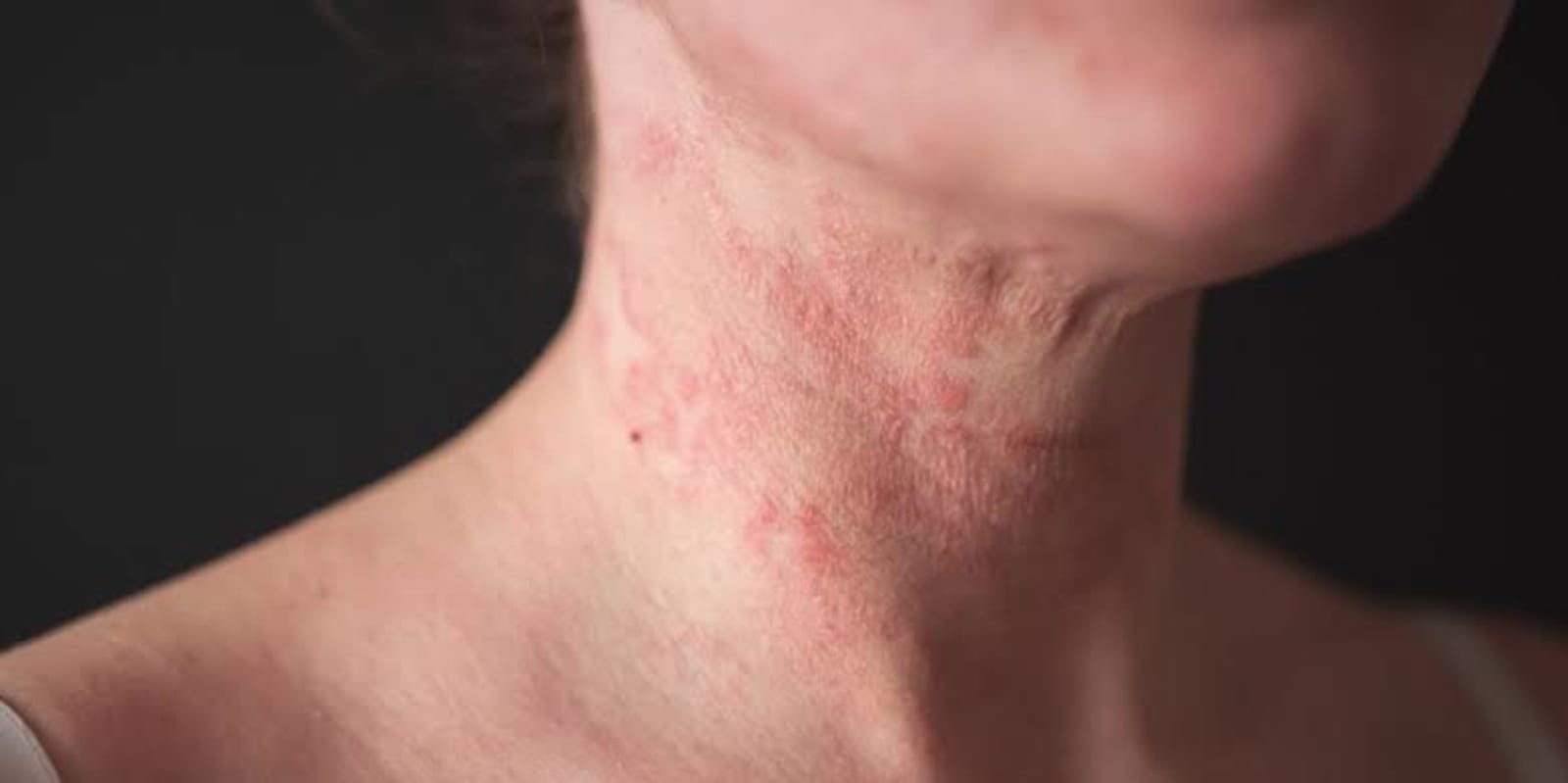
Festive celebrations bring colourful outfits, favourite makeup looks and plenty of photographs. But if your skin feels itchy, sore or uncomfortable afterwards, it deserves attention before you try another product or book your next facial.
Skin irritation after makeup can have different causes. The timing alone does not confirm an allergy or identify the product responsible. Start by reviewing what touched your skin, pause products you suspect are causing a reaction, and seek medical guidance when symptoms persist or become concerning.
For residents and working professionals in Hinjawadi, Pune, thoughtful festive skincare starts with understanding the concern. At O2 Revive Wellness Center, our approach is simple: We Assess First. We Recommend Only What You Need.
What Might Skin Irritation After Makeup Mean?
Skin can react when something irritates it or triggers an allergic contact reaction. Contact dermatitis is one possible explanation, but a blog cannot diagnose it. Burning, itching, dryness or a rash should not automatically be labelled an allergy or “skin barrier damage.”
The important questions are: What changed? When did the discomfort begin? Where did it appear? Has this happened before? These details give a medical professional a more useful starting point than the name of a trending skincare treatment.
Review Your Whole Routine, Including Makeup Removal
When symptoms appear after an event, think beyond your foundation. Make a list of everything you used before, during and after the celebration:
Primer, foundation, concealer, setting spray and eye or lip products.
Makeup remover, cleansing balm, face wash and wipes.
Serums, exfoliants, scrubs or masks used while preparing for the event.
Any new product, sample or borrowed cosmetic.
Products or procedures used in the days leading up to the celebration.
Makeup, skincare products and makeup removers can all be relevant to a reaction. Also note where each product was applied, especially if the discomfort is concentrated around the eyes or lips.
Include familiar products in your list. A reaction can develop after previous uneventful use, and some reactions appear hours or days after exposure. The last product you applied may not be the cause.
Simple Care Steps While You Seek Guidance
Keep the next steps gentle and manageable. Avoid turning one uncomfortable evening into a series of experiments with new products.
1. Pause the Suspected Product
If a cosmetic or skincare product appears to have caused a reaction, stop using it. If it is still on your skin, gently wash it off. Keep the packaging and ingredient list for your consultation. If the product was prescribed, contact the prescriber about the reaction.
2. Keep Comfort Care Simple
A cool, clean, damp compress may help ease discomfort. Avoid scratching or rubbing the area. A fragrance-free moisturiser that you already tolerate may help with dryness, but do not keep applying a product that makes your skin sting or feel worse. Raw or very sensitive skin needs individual advice.
“Unscented” and “fragrance-free” do not mean the same thing: an unscented product may still contain fragrance ingredients. Read the label rather than relying on how the product smells.
3. Avoid Adding Another Active Product
Put plans for a new exfoliant, retinol or strong skincare routine on hold while the irritation is being assessed. Retinol and glycolic acid can themselves irritate skin. Ask a clinician what to continue, pause or introduce later instead of trying to remove roughness with another product.
Should You Book a Facial, Peel or Laser Treatment?
If your skin is actively irritated, tell the provider before booking or proceeding with a procedure. Ask whether the appointment should be postponed or whether you need medical assessment first.
A Hydra facial, Carbon Peel or laser appointment should begin with a suitability discussion that includes any recent reaction. Describe your current symptoms, the products you used and any advice or treatment you have already received.
At O2 Revive, the first conversation is about your concern and your goals. Before considering skin and aesthetic care, share your reaction history so that the next step can be discussed appropriately. A suspected skin condition may require a medical or dermatology consultation before aesthetic planning.
Testing New Products Before Future Celebrations
Once the current reaction has settled, ask your clinician how to introduce new products. Do not deliberately re-test a product that you suspect caused the reaction.
For a new product, the American Academy of Dermatology recommends testing a small area, such as the underside of the arm, twice daily for seven to ten days before wider use. Follow the product’s normal use instructions, including washing it off when directed. Stop if a reaction develops. This is a screening step rather than a guarantee that a product will suit you.
Home product testing is different from medical patch testing, which a dermatologist may use to investigate an allergy. Do not use a home test to diagnose the cause of an existing rash.
For future event planning, read our guide to Navratri makeup and skincare in Hinjawadi.
When to Seek Medical Help
Arrange medical or dermatology assessment if the rash persists, returns repeatedly or the trigger is unclear. A dermatologist can assess the symptoms and decide whether further testing or treatment is needed.
Seek urgent medical care for a severe reaction, rapidly worsening symptoms, increasing pain, skin discharge, or feeling unwell with fever or chills. These can be signs of an infection or another problem needing prompt assessment.
Seek emergency care immediately if you develop sudden swelling of the lips, mouth, tongue or throat, difficulty breathing or swallowing, or feel faint during a reaction. Do not wait for a routine skincare appointment.
What to Bring to Your Consultation
A little preparation can make the conversation clearer. Bring or record:
Product names and photographs of their ingredient labels.
When each product was introduced and when symptoms began.
Photographs showing how the skin looked as symptoms developed.
Whether the main concern is itching, burning, pain, dryness or swelling.
Previous reactions, known allergies and relevant skin conditions.
Current medicines, prescribed skincare and any recent procedures.
If you have another celebration coming up, mention the date. This helps frame the discussion, while your skin’s condition determines which next steps are appropriate.
Frequently Asked Questions
Is Burning After Makeup Always an Allergy?
No. Burning or stinging can also occur with irritation. Symptoms alone cannot identify the cause or confirm an allergy; medical assessment may be needed.
Can a Product I Have Used Before Cause a Reaction?
Yes. Previous use without problems does not rule out a later reaction. Include familiar products, as well as recent additions, when reviewing your routine.
Should I Exfoliate If My Skin Feels Rough?
If roughness comes with burning, itching or a rash, seek advice before adding another exfoliant. Describe the symptoms and the products you are already using.
Can I Book a Facial While My Skin Is Irritated?
Tell the provider about the irritation before booking. Ask whether a medical consultation should come first and when aesthetic treatment can be considered.
How Long Does Skin Barrier Care Take?
There is no fixed recovery time for every reaction. First establish what is causing the symptoms and what care is appropriate. Avoid choosing a product solely because it promises repair within a set number of days.
What Should I Tell the Clinician About My Products?
Share the names, ingredient labels, application areas and timing of use. Mention makeup removal, recent treatments and medicines too, even if they seem unrelated to the event.
Start With Assessment Before Your Next Beauty Appointment
Festive skincare for sensitive skin starts with paying attention to discomfort and choosing the next step carefully. Give your provider a clear picture of what happened before planning another procedure.
If you are considering skin or aesthetic care in Hinjawadi, Pune, contact O2 Revive Wellness Center for an assessment before choosing a treatment. For an ongoing or concerning rash, seek medical or dermatology care first.
We Assess First. We Recommend Only What You Need.
Move Better. Feel Better. Revive.
This article provides general information and does not replace an individual medical diagnosis or treatment plan.

About the author
“A patient who does the right movement ten times a day beats a patient who comes to the clinic three times a week and does nothing in between. Every time.”
Dr. Priya Trivedi
Founder & Clinical Director
Seventeen years and more than three and a half thousand patients have taught me one thing: people do not want to be sold a treatment. They want to be understood, told the truth about what is possible, and then treated properly. O2 Revive grew out of that — I built it so a patient recovering from a knee replacement and a client planning her brows could walk into the same calm room and both be looked after by someone qualified to decide what they actually need.
- 17+
- Years in practice
- 11000+
- Patients treated



Not sure which treatment you need?
Book a consultation. We will assess, explain your options honestly, and quote before anything starts.